

Online poker remains one of the most popular ways to play card games for cash in 2026.
Players choose online poker because it offers real money games, flexible stakes, and access to tables at any hour. The right online poker sites combine
 CoinPoker Poker 150% bonus up to $2,000 + Free Spins & Free Bets PLAY NOW
  Instant Payout ACR Poker US Instant Payout New Player Poker Bonus Up To $2,000 PLAY NOW
  1-24 hours Payout Stake Poker 1-24 hours Payout 50,000,000 Gold Coins Race Promotion Weekly PLAY NOW
  1-24 hours Payout Ignition Casino US 1-24 hours Payout 300% Poker & Casino Welcome Bonus PLAY NOW
  Within 24h Payout Black Chip Poker US Within 24h Payout 100% Deposit Match of Up to $2,000 PLAY NOW
  Within 24h. Payout BetOnline Poker US Within 24h. Payout 100% match deposit bonus of up to $1,000 PLAY NOW
  Within 24h Payout Ya Poker US Within 24h Payout 100% Deposit Match of Up to $2,000 PLAY NOW
  Within 24h. Payout Sportsbetting Poker US Within 24h. Payout 100% Matched Deposit up to $1000 PLAY NOW
  24-48 hours Payout Bovada Poker US 24-48 hours Payout 100% Up To $500 Deposit Bonus PLAY NOW
  Jack Poker 300% Welcome Bonus up to $2,000 + 20% Instant Cash PLAY NOW
  Full House Crypto 250% Welcome Bonus up to $2,000 + 20% Instant Cash PLAY NOW
  Crore Play 150% Bonus on the First Deposit up to $2,500 PLAY NOW
  Lotus Deck 40% Instant Cash & Up To $400 in Tournament Tickets + Up to 500 Free Spins in Casino PLAY NOW
  24-48 hours Payout Payout Phenom Poker 24-48 hours Payout Payout 150% Bonus up to 3,000 USDT PLAY NOW
These rankings reflect how each platform holds up during real sessions, with emphasis on table access, rake fairness, software reliability, and withdrawal turnaround rather than headline promotions.
This list shows where the strongest best online poker experiences tend to come from, highlighting real money poker sites that stay active, stable, and predictable once cash play begins.
Rather than spreading attention thinly, we focus on three poker rooms that illustrate very different approaches to real-money play. Each one represents a distinct model, making it easier to see how various poker ecosystems function once stakes are real.

CoinPoker was designed around cryptocurrency from the start, and that focus shapes the entire experience. The interface is clean and efficient, prioritizing quick table access and smooth gameplay once funds are deposited. Long sessions remain stable, with minimal disruption or slowdown.
Cash games form the core of the platform, particularly at low and mid stakes where activity stays consistent throughout the day. Tournament offerings are more compact than on larger networks, but they run frequently enough to suit flexible schedules. Liquidity is strongest in popular formats like NLHE and PLO, with enough player rotation to keep tables fresh.
In terms of value, CoinPoker’s reward structure aligns well with online poker real money play. Rakeback and ongoing rewards convert more naturally into usable funds than many short-term promotions. The welcome bonus adds breathing room early on without pushing players into unrealistic wagering paths.
This platform suits players comfortable using crypto who want clarity in how rewards are earned. It appeals to those who prefer control, steady play, and low friction when they play poker for real money, rather than chasing oversized tournament payouts.
Bonus
Pros
Cons

ACR Poker is centered around volume, and that becomes clear the moment you open the lobby. Cash games and tournaments run around the clock, making it easy to find action without waiting. This consistency makes it one of the most reliable platforms for players who log regular hours.
Tournament schedules are particularly deep, with a wide range of buy-ins and frequent guarantees. Cash games remain active enough to support extended sessions, creating an experience that feels closer to traditional poker online rooms built on scale and choice.
The software handles multi-tabling well, with layouts designed to manage several tables efficiently. Experienced players will appreciate the functional design, which avoids unnecessary animations and keeps decision-making fast.
The welcome bonus is practical rather than flashy. It fits naturally into regular play and provides extra value for players already planning to commit volume. While it does not change how online poker for money works here, it adds a useful buffer during early sessions.
Bonus
Pros
Cons
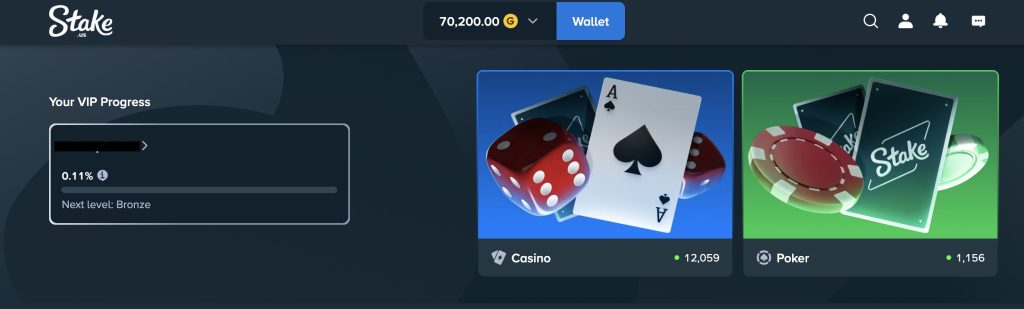
Stake.us – one of the best new poker sites launched recently – takes a non-traditional approach, offering poker-style gameplay through a sweepstakes system rather than direct cash wagering. Players use virtual currencies to participate, which changes how deposits, withdrawals, and session expectations work.
Weekly promotions are the main attraction. Players earn entries based on activity, with prizes distributed through scheduled draws. The structure is easy to follow and avoids complex wagering conditions, making it accessible even for newer players.
Because of this format, the overall risk profile is lighter than on standard poker sites. Sessions feel closer to a real money poker app experience, without the same bankroll pressure or long-term grind dynamics. This makes play more relaxed and less mentally demanding.
Stake.us is best suited to recreational players who want poker-style gameplay without committing to full cash-game ecosystems. It works well for short sessions and experimentation, while players aiming to play poker online for money at scale will likely prefer traditional poker rooms.
Promotion Highlights
Pros
Cons
There is no single poker room that works best for everyone. The right choice depends far more on how you play than on how big a site looks on paper. Session length, preferred formats, and tolerance for swings all shape which platforms feel comfortable over time.
Casual players usually want flexibility above all else. Short sessions, easy table access, and a low-pressure environment make it easier to enjoy poker without feeling locked into long commitments. Sites that cater to recreational traffic tend to feel more forgiving, with softer tables and fewer advanced tools dominating play.
Platforms with simple interfaces and steady low-stakes action work best here. The goal is to sit down quickly, play a manageable session, and step away without friction. Overly complex lobbies or aggressive tournament schedules can feel overwhelming for players who just want to unwind.
Players who log a few sessions each week often benefit from balance. A mix of cash games and tournaments, predictable traffic, and clear reward structures help create rhythm without requiring daily volume. Consistency matters more than scale at this level.
Poker rooms that maintain stable player pools and offer a range of stakes tend to suit this group well. These sites allow players to develop habits, track progress, and refine decision-making without feeling rushed or outmatched.
High-volume players need depth. Traffic must stay strong across multiple stakes, rewards should scale with activity, and software needs to support long sessions without disruption. At this level, efficiency becomes just as important as game selection.
Not every large poker site suits grinders equally. Some prioritize tournament traffic, while others support multi-table cash play better. Choosing a platform that aligns with your preferred format makes sustaining volume far more realistic.
Bonuses can look tempting, but they rarely compensate for a poor fit. A smaller bonus on a platform that matches your habits will usually outperform a larger offer that forces uncomfortable play. The best poker experiences come from sites that feel natural to use, not ones that require constant adjustment.
Not all offshore poker sites are built for the same type of player. Some work best for quick sessions, others reward consistency, and a few are clearly designed for volume. Matching the site to how you actually play usually matters more than chasing the biggest bonus.
| Playing Style | What You Typically Want | What to Look For |
| Casual play | Short sessions, low pressure | Easy table access, soft competition |
| Regular weekly play | Balance and consistency | Stable traffic, mix of formats |
| High-volume play | Efficiency and scale | Strong liquidity, scalable rewards |
This approach applies whether you are new to offshore poker or already comfortable playing with real stakes.
Players who jump in for brief sessions usually benefit from:
Sites with recreational traffic tend to feel more relaxed, making them easier places to play poker online for money without committing hours at a time.
More regular players often need:
This is where online poker play starts to feel structured rather than random, especially on platforms with stable player pools.
High-volume players usually prioritize:
At this level, the difference between average and best poker sites becomes clearer, as small inefficiencies add up quickly over time.
A large bonus rarely improves results if the site does not suit your habits. In practice, players tend to perform better on platforms that feel comfortable and predictable, even if the promotional value looks smaller on paper.
Choosing the right real money poker sites is less about chasing offers and more about finding a setup that matches how you like to play.
Soft poker sites are poker rooms where the overall skill level is lower, making games more profitable for casual and improving players. These platforms tend to attract recreational traffic, limit advanced tracking tools, or run formats that discourage high-volume grinders. As a result, mistakes are more common, aggression is less balanced, and value spots appear more often at soft poker sites.
Softness is not about one bad player at the table, it’s about the player pool. The softest poker sites usually share a few traits: anonymous tables, weaker incentives for professionals, strong casual traffic, and peak-time surges from non-regular players. Timing also matters, as even soft poker sites can tighten up during off-hours.
Below is a snapshot of soft poker sites in 2026 that consistently offer weaker competition compared to high-regulated, grinder-heavy networks.
| Poker Site | How Soft? | Games with Weak Players | Best Time to Play |
|---|---|---|---|
| Bovada | 🟢 Very Soft | Low-stakes NLHE cash games | Evenings & weekends (US time) |
| Ignition | 🟢 Very Soft | Zone Poker, low-buy-in tournaments | Weeknights after 7pm |
| Black Chip Poker | 🟡 Soft | Micro & small-stakes cash tables | Weekend afternoons |
| BetOnline | 🟠 Medium-Soft | Entry-level cash games | During major sports events |
| Ya Poker | 🟡 Soft | Simple cash games, NLHE | Late evenings |
Most soft poker sites limit player tracking, allow anonymous seating, or attract crossover traffic from casino and sportsbook players. That mix reduces table toughness and keeps decision-making uneven. Sites like Bovada and Ignition are especially known for recreational-heavy pools, while smaller rooms like Ya Poker stay soft due to low grinder interest and simple game selection.
If your goal is to maximize edge rather than chase prestige, soft poker sites often outperform larger, more competitive networks. Choosing the right site—and the right time to play—can matter more than stake size or bonus value.
How much time you realistically have to play should influence which poker site you choose and how you approach sessions. Crypto poker rewards consistency, but that does not mean every player needs to commit long hours or fixed schedules.
| Session Length | What Works Best | Why |
| 20–40 minutes | Low-stakes cash games | Easy to leave without pressure |
| 1–2 hours | Cash games or small tournaments | Enough time to settle into rhythm |
| 3+ hours | Large-field tournaments | Needed to realise full value |
Planning sessions around available time helps avoid rushed decisions and unnecessary variance, especially when playing at real money poker sites.
If poker fits around other commitments, shorter sessions tend to work better.
This approach keeps sessions enjoyable and reduces the temptation to overextend just to chase results.
Players who schedule a few sessions per week benefit from structure.
Over time, this creates a steady rhythm that suits online poker sites with predictable traffic and format availability.
Longer real money poker sessions demand more focus and preparation.
This style suits real money online poker players comfortable with managing swings and maintaining discipline over extended play.
At the best crypto poker sites, poor session planning often leads to tired decisions, chasing losses, or playing formats that do not fit available time. Players who plan sessions realistically tend to play poker for money more and make clearer choices, regardless of stakes.
Poker bonuses can be useful, but only when they fit how you already play. Unlike casino offers, poker rewards usually unlock slowly and are tied to volume, not quick wins. Approaching bonuses with the right expectations makes crypto poker far less frustrating over time.
Most poker bonuses fall into a few familiar categories:
Each can add value, but none should be treated as guaranteed profit when playing online poker real money.
A bonus generally makes sense if:
In these cases, bonuses act as background value rather than something you need to chase.
Sometimes opting out is the smarter move.
Many players perform better on real money poker sites when they focus on stable games instead of adjusting play just to unlock rewards.
A large headline bonus does not always translate into usable funds. Smaller, predictable rewards often outperform bigger offers over time, especially for players who play poker online for money at a steady pace rather than in bursts.
Here’s a quick poker bonus checklist for before you opt in:
Spending a minute here can save hours of frustration later.
The legality of online poker in the US depends on where you live. There is no single federal law that outright legalizes or bans poker nationwide. Instead, a mix of federal rules and state-level legislation determines what is allowed.
At the federal level, poker itself is not prohibited. Laws mainly focus on how gambling is offered and processed rather than on players placing bets.
Some states have passed legislation allowing licensed poker platforms to operate legally within their borders. These typically include:
Players in other states can access offshore online poker sites that operate under international licenses. While these platforms are not regulated by US states, many have long track records and continue to accept US players, making them the best online poker sites globally, regardless of location.
For most players who enjoy online poker for real money, legality comes down to:
Understanding local rules is important before depositing, especially if you plan to play poker online for money regularly. Players who do not live in the aforementioned states can still play at offshore poker or crypto poker sites.
Banking plays a major role in how smooth your experience is on real money poker sites. Payment methods affect how fast you can get started and how quickly you receive winnings.
| Payment Method | Speed | Notes |
| Cryptocurrency | Instant | Often the quickest withdrawals. |
| Credit/Debit Cards | Fast | May involve additional checks and bank approvals. |
| Bank Transfers | Slow | Usually used for larger amounts. |
| E-wallets | Fast | PayPal, Skrill, etc. Availability varies by site |
Crypto poker sites are popular with online poker players because they reduce delays and limit third-party involvement. Card and bank transfers are still widely used, but tend to involve longer approval steps.
Most poker withdrawals follow a standard flow:
Delays usually happen during the review stage, especially for first-time withdrawals or unusually large amounts. Players who stick to one payment method and clear bonuses properly tend to see smoother processing.
Most withdrawal delays come from avoidable banking errors rather than payment system issues. Players who understand how real money online poker withdrawals work tend to receive funds faster and with fewer checks. This is especially important when you play poker online for money and want consistent access to winnings.
Taking a few minutes to check these details helps avoid unnecessary waiting.
Poker involves skill, but it still carries financial risk. Setting limits, managing session length, and knowing when to stop are essential parts of playing responsibly.
If poker starts to feel difficult to control, confidential help is available in the US:
Playing responsibly means protecting both your bankroll and your well-being.
Bitcoin poker sites have the best experience. Online poker real money platforms differ in traffic, game formats, rewards, and session flow. No single option works for every player, which is why fit matters more than brand size or headline bonuses.
If you play poker online for money casually, focus on crypto poker sites with easy table access, low-stakes games, and steady recreational traffic. These platforms make it easier to enjoy games without long sessions or heavy pressure. Players who log in a few times per week usually benefit from balanced poker rooms that offer reliable cash games, consistent tournaments, and predictable rewards tied to normal play.
High-volume players should prioritize online poker sites with strong liquidity, stable software, and rewards that scale with activity. At this level, small differences in rake, traffic, and withdrawal speed have a real impact over time. Choosing the right environment helps online poker for money feel sustainable rather than exhausting.
Across all play styles, the best online poker sites share a few traits: clear rules, fair games, and reliable payouts. When those basics are in place, you can focus on decisions at the table instead of friction off it. Use this guide to compare options, trust your playing habits, and choose an online poker real money platform that supports how you want to play in 2026.